Deprecated: Freemius::maybe_activate_bundle_license(): Implicitly marking parameter $license as nullable is deprecated, the explicit nullable type must be used instead in /home/pilgrim/domains/kursnamuzyke.pl/public_html/wp-content/plugins/internal-links1/vendor/freemius/wordpress-sdk/includes/class-freemius.php on line 7780

Deprecated: Freemius::set_license(): Implicitly marking parameter $license as nullable is deprecated, the explicit nullable type must be used instead in /home/pilgrim/domains/kursnamuzyke.pl/public_html/wp-content/plugins/internal-links1/vendor/freemius/wordpress-sdk/includes/class-freemius.php on line 12388

Deprecated: Freemius::switch_to_blog(): Implicitly marking parameter $install as nullable is deprecated, the explicit nullable type must be used instead in /home/pilgrim/domains/kursnamuzyke.pl/public_html/wp-content/plugins/internal-links1/vendor/freemius/wordpress-sdk/includes/class-freemius.php on line 15633

Deprecated: Freemius::_activate_addon_account(): Implicitly marking parameter $bundle_license as nullable is deprecated, the explicit nullable type must be used instead in /home/pilgrim/domains/kursnamuzyke.pl/public_html/wp-content/plugins/internal-links1/vendor/freemius/wordpress-sdk/includes/class-freemius.php on line 18112

Deprecated: Freemius::_store_site(): Implicitly marking parameter $site as nullable is deprecated, the explicit nullable type must be used instead in /home/pilgrim/domains/kursnamuzyke.pl/public_html/wp-content/plugins/internal-links1/vendor/freemius/wordpress-sdk/includes/class-freemius.php on line 19711

Deprecated: ActionScheduler_Store::save_action(): Implicitly marking parameter $scheduled_date as nullable is deprecated, the explicit nullable type must be used instead in /home/pilgrim/domains/kursnamuzyke.pl/public_html/wp-content/plugins/internal-links1/vendor/woocommerce/action-scheduler/classes/abstracts/ActionScheduler_Store.php on line 29

Deprecated: ActionScheduler_Store::stake_claim(): Implicitly marking parameter $before_date as nullable is deprecated, the explicit nullable type must be used instead in /home/pilgrim/domains/kursnamuzyke.pl/public_html/wp-content/plugins/internal-links1/vendor/woocommerce/action-scheduler/classes/abstracts/ActionScheduler_Store.php on line 188

Deprecated: ActionScheduler_Store::get_scheduled_date_string(): Implicitly marking parameter $scheduled_date as nullable is deprecated, the explicit nullable type must be used instead in /home/pilgrim/domains/kursnamuzyke.pl/public_html/wp-content/plugins/internal-links1/vendor/woocommerce/action-scheduler/classes/abstracts/ActionScheduler_Store.php on line 257

Deprecated: ActionScheduler_Store::get_scheduled_date_string_local(): Implicitly marking parameter $scheduled_date as nullable is deprecated, the explicit nullable type must be used instead in /home/pilgrim/domains/kursnamuzyke.pl/public_html/wp-content/plugins/internal-links1/vendor/woocommerce/action-scheduler/classes/abstracts/ActionScheduler_Store.php on line 274

Deprecated: ActionScheduler_DBStore::save_unique_action(): Implicitly marking parameter $scheduled_date as nullable is deprecated, the explicit nullable type must be used instead in /home/pilgrim/domains/kursnamuzyke.pl/public_html/wp-content/plugins/internal-links1/vendor/woocommerce/action-scheduler/classes/data-stores/ActionScheduler_DBStore.php on line 55

Deprecated: ActionScheduler_DBStore::save_action(): Implicitly marking parameter $scheduled_date as nullable is deprecated, the explicit nullable type must be used instead in /home/pilgrim/domains/kursnamuzyke.pl/public_html/wp-content/plugins/internal-links1/vendor/woocommerce/action-scheduler/classes/data-stores/ActionScheduler_DBStore.php on line 68

Deprecated: ActionScheduler_DBStore::save_action_to_db(): Implicitly marking parameter $date as nullable is deprecated, the explicit nullable type must be used instead in /home/pilgrim/domains/kursnamuzyke.pl/public_html/wp-content/plugins/internal-links1/vendor/woocommerce/action-scheduler/classes/data-stores/ActionScheduler_DBStore.php on line 82

Deprecated: ActionScheduler_DBStore::stake_claim(): Implicitly marking parameter $before_date as nullable is deprecated, the explicit nullable type must be used instead in /home/pilgrim/domains/kursnamuzyke.pl/public_html/wp-content/plugins/internal-links1/vendor/woocommerce/action-scheduler/classes/data-stores/ActionScheduler_DBStore.php on line 795

Deprecated: ActionScheduler_DBStore::claim_actions(): Implicitly marking parameter $before_date as nullable is deprecated, the explicit nullable type must be used instead in /home/pilgrim/domains/kursnamuzyke.pl/public_html/wp-content/plugins/internal-links1/vendor/woocommerce/action-scheduler/classes/data-stores/ActionScheduler_DBStore.php on line 860

Deprecated: ActionScheduler_Logger::log(): Implicitly marking parameter $date as nullable is deprecated, the explicit nullable type must be used instead in /home/pilgrim/domains/kursnamuzyke.pl/public_html/wp-content/plugins/internal-links1/vendor/woocommerce/action-scheduler/classes/abstracts/ActionScheduler_Logger.php on line 28

Deprecated: ActionScheduler_Logger::log_failed_fetch_action(): Implicitly marking parameter $exception as nullable is deprecated, the explicit nullable type must be used instead in /home/pilgrim/domains/kursnamuzyke.pl/public_html/wp-content/plugins/internal-links1/vendor/woocommerce/action-scheduler/classes/abstracts/ActionScheduler_Logger.php on line 142

Deprecated: ActionScheduler_DBLogger::log(): Implicitly marking parameter $date as nullable is deprecated, the explicit nullable type must be used instead in /home/pilgrim/domains/kursnamuzyke.pl/public_html/wp-content/plugins/internal-links1/vendor/woocommerce/action-scheduler/classes/data-stores/ActionScheduler_DBLogger.php on line 21

Deprecated: ActionScheduler_QueueRunner::__construct(): Implicitly marking parameter $store as nullable is deprecated, the explicit nullable type must be used instead in /home/pilgrim/domains/kursnamuzyke.pl/public_html/wp-content/plugins/internal-links1/vendor/woocommerce/action-scheduler/classes/ActionScheduler_QueueRunner.php on line 39

Deprecated: ActionScheduler_QueueRunner::__construct(): Implicitly marking parameter $monitor as nullable is deprecated, the explicit nullable type must be used instead in /home/pilgrim/domains/kursnamuzyke.pl/public_html/wp-content/plugins/internal-links1/vendor/woocommerce/action-scheduler/classes/ActionScheduler_QueueRunner.php on line 39

Deprecated: ActionScheduler_QueueRunner::__construct(): Implicitly marking parameter $cleaner as nullable is deprecated, the explicit nullable type must be used instead in /home/pilgrim/domains/kursnamuzyke.pl/public_html/wp-content/plugins/internal-links1/vendor/woocommerce/action-scheduler/classes/ActionScheduler_QueueRunner.php on line 39

Deprecated: ActionScheduler_QueueRunner::__construct(): Implicitly marking parameter $async_request as nullable is deprecated, the explicit nullable type must be used instead in /home/pilgrim/domains/kursnamuzyke.pl/public_html/wp-content/plugins/internal-links1/vendor/woocommerce/action-scheduler/classes/ActionScheduler_QueueRunner.php on line 39

Deprecated: ActionScheduler_Abstract_QueueRunner::__construct(): Implicitly marking parameter $store as nullable is deprecated, the explicit nullable type must be used instead in /home/pilgrim/domains/kursnamuzyke.pl/public_html/wp-content/plugins/internal-links1/vendor/woocommerce/action-scheduler/classes/abstracts/ActionScheduler_Abstract_QueueRunner.php on line 34

Deprecated: ActionScheduler_Abstract_QueueRunner::__construct(): Implicitly marking parameter $monitor as nullable is deprecated, the explicit nullable type must be used instead in /home/pilgrim/domains/kursnamuzyke.pl/public_html/wp-content/plugins/internal-links1/vendor/woocommerce/action-scheduler/classes/abstracts/ActionScheduler_Abstract_QueueRunner.php on line 34

Deprecated: ActionScheduler_Abstract_QueueRunner::__construct(): Implicitly marking parameter $cleaner as nullable is deprecated, the explicit nullable type must be used instead in /home/pilgrim/domains/kursnamuzyke.pl/public_html/wp-content/plugins/internal-links1/vendor/woocommerce/action-scheduler/classes/abstracts/ActionScheduler_Abstract_QueueRunner.php on line 34

Deprecated: ActionScheduler_QueueCleaner::__construct(): Implicitly marking parameter $store as nullable is deprecated, the explicit nullable type must be used instead in /home/pilgrim/domains/kursnamuzyke.pl/public_html/wp-content/plugins/internal-links1/vendor/woocommerce/action-scheduler/classes/ActionScheduler_QueueCleaner.php on line 35

Warning: Cannot modify header information - headers already sent by (output started at /home/pilgrim/domains/kursnamuzyke.pl/public_html/wp-content/plugins/internal-links1/vendor/woocommerce/action-scheduler/classes/data-stores/ActionScheduler_DBStore.php:68) in /home/pilgrim/domains/kursnamuzyke.pl/public_html/wp-content/plugins/ultimate-post/classes/Initialization.php on line 162
Instrumenty perkusyjne niemelodyczne - kompendium wiedzy | Blog

Instrumenty perkusyjne niemelodyczne

Instrumenty perkusyjne niemelodyczne – kompendium wiedzy

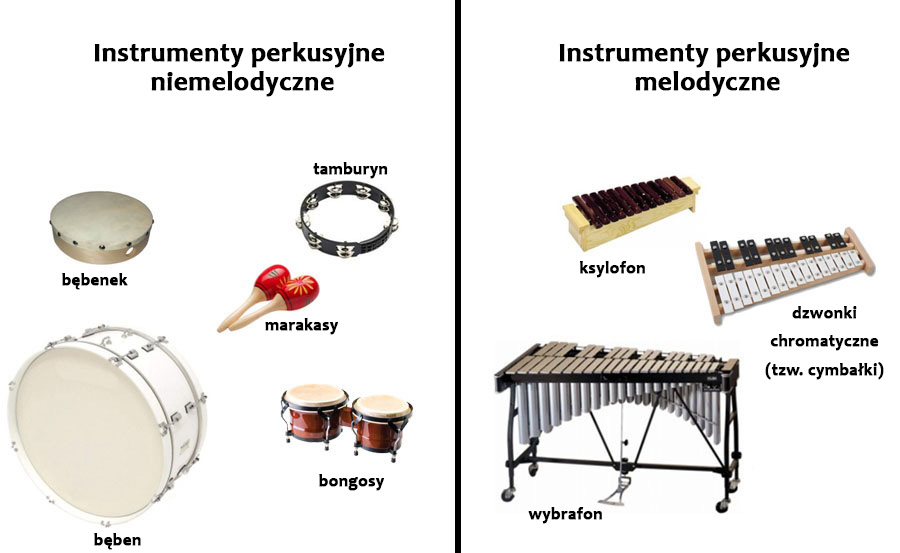
Instrumenty perkusyjne niemelodyczne to instrumenty muzyczne, które nie wydają stałych melodycznych dźwięków, ale są stosowane do generowania rytmu i efektów perkusyjnych. Są one często wykorzystywane w różnych gatunkach muzycznych, takich jak rock, jazz, muzyka folkowa, muzyka etniczna i wiele innych.

Podział instrumentów perkusyjnych

Krótka historia niemelodycznych instrumentów perkusyjnych

Historia instrumentów perkusyjnych niemelodycznych sięga odległych czasów i jest ściśle związana z rozwojem muzyki i ludzkiej potrzeby wyrażania rytmu w zasadzie we wszystkich epokach muzycznych. Oto kilka istotnych punktów w historii tych instrumentów:

  • Prehistoria: Pierwsze instrumenty perkusyjne pojawiły się prawdopodobnie już w epoce prehistorycznej. Ludzie używali naturalnych przedmiotów, takich jak kawałki drewna, skorupy, kamienie czy zwierzęce skóry, aby generować dźwięki przez uderzanie, potrząsanie lub tarcie.
  • Starożytność: W różnych kulturach starożytnych, takich jak Egipt, Mezopotamia, Grecja czy Rzym, instrumenty perkusyjne odgrywały ważną rolę. Były używane zarówno w ceremonialnych rytuałach, jak i w muzyce rozrywkowej. Na przykład, w starożytnym Egipcie używano instrumentów takich jak darabuka, sistrum czy dzwonki.
  • Średniowiecze: W okresie średniowiecza, instrumenty perkusyjne były powszechnie stosowane w muzyce sakralnej i dworskiej. Występowały bębny, talerze, triangele, dzwony i inne instrumenty perkusyjne. Również w tej epoce zaczęto stosować organy udarowe, takie jak carillon, które składały się z dzwonów o różnych rozmiarach.
  • Renesans i barok: W okresach renesansu i baroku instrumenty perkusyjne zyskały na popularności. Wykorzystywano je zarówno w zespołach orkiestrowych, jak i w muzyce kameralnej. Powstały nowe instrumenty, takie jak timpani, które zaczęły pełnić ważną rolę w symfoniach i koncertach.
  • XIX wiek: Wraz z rozwojem technologii i przemysłu, instrumenty perkusyjne ewoluowały. Powstały nowe konstrukcje, takie jak pedałowy zestaw perkusyjny, który umożliwił graczowi jednoczesne granie na kilku instrumentach perkusyjnych. W tym okresie pojawiły się również dzwony ręczne i instrumenty perkusyjne o stalowych blachach.
  • XX i XXI wiek: Współczesne instrumenty perkusyjne niemelodyczne przeszły dalszy rozwój i różnorodne innowacje. Technologia i elektronika weszły do świata perkusji, dając muzykom szersze możliwości brzmieniowe i eksperymentowanie z efektami perkusyjnymi. Współczesne zestawy perkusyjne stały się bardziej zaawansowane, z większą liczbą elementów i instrumentów.

Dziś instrumenty perkusyjne niemelodyczne są nieodłącznym elementem muzyki w różnych gatunkach. Są nie tylko podstawowym elementem rytmicznym, ale także przyczyniają się do bogactwa i ekspresji brzmienia muzycznego.

Charakterystyka i cechy instrumentów perkusyjnych niemelodycznych

Instrumenty perkusyjne niemelodyczne charakteryzują się kilkoma cechami:

1. Rola rytmiczna: Instrumenty perkusyjne niemelodyczne są głównie wykorzystywane do generowania rytmu i podkreślania metrum w muzyce. Pełnią rolę fundamentu rytmicznego, tworząc pulsy, akcenty i tekstury rytmiczne.

2. Brak stałego dźwięku: W przeciwieństwie do instrumentów melodycznych, takich jak gitara czy fortepian, instrumenty perkusyjne niemelodyczne nie wydają stałych dźwięków melodycznych. Zamiast tego generują odgłosy perkusyjne, takie jak uderzenia, trzaski, klekotanie, brzęczenie, dudnienie itp.

3. Techniki gry: Instrumenty perkusyjne niemelodyczne są zazwyczaj grane przy użyciu różnych technik, takich jak uderzanie, potrząsanie, trzepotanie, tarcie czy strzelanie. Zastosowanie odpowiednich technik gry na danym instrumencie pozwala muzykowi uzyskać różne efekty dźwiękowe.

4. Instrumenty membranowe i uderzane: Wiele instrumentów perkusyjnych niemelodycznych składa się z membrany, takiej jak skóra czy materiał syntetyczny, która jest naciągnięta na obwodzie instrumentu. Gracz uderza w tę membranę za pomocą pałeczek, młoteczków, rąk lub innego narzędzia perkusyjnego, aby wydobyć dźwięki. Innymi instrumentami są te, które są bezpośrednio uderzane, takie jak talerze, triangel czy dzwonki chromatyczne.

5. Rozmaite kształty i rozmiary: Instrumenty perkusyjne niemelodyczne występują w różnych kształtach, rozmiarach i konstrukcjach. Mogą to być bębny o różnych głębokościach i średnicach, talerze o różnych rozmiarach, shakery o różnej objętości, czy drewniane instrumenty perkusyjne o różnych kształtach i układach dźwiękowych.

6. Wielozadaniowość: Instrumenty perkusyjne niemelodyczne są bardzo wszechstronne i mogą być wykorzystywane w różnych stylach muzycznych, od muzyki klasycznej i jazzu po rock, pop, muzykę etniczną i wiele innych. Są również powszechnie wykorzystywane w zespołach i orkiestrach, aby dostarczyć podstawowego rytmicznego fundamentu dla innych instrumentów.

Wszystkie te cechy sprawiają, że instrumenty perkusyjne niemelodyczne są nieodzownym elementem muzyki i odgrywają istotną rolę w kształtowaniu jej brzmienia i rytmu.

Podstawowy podział i rodzaje instrumentów perkusyjnych niemelodycznych

Oto kilka przykładów instrumentów perkusyjnych niemelodycznych:

Bębny

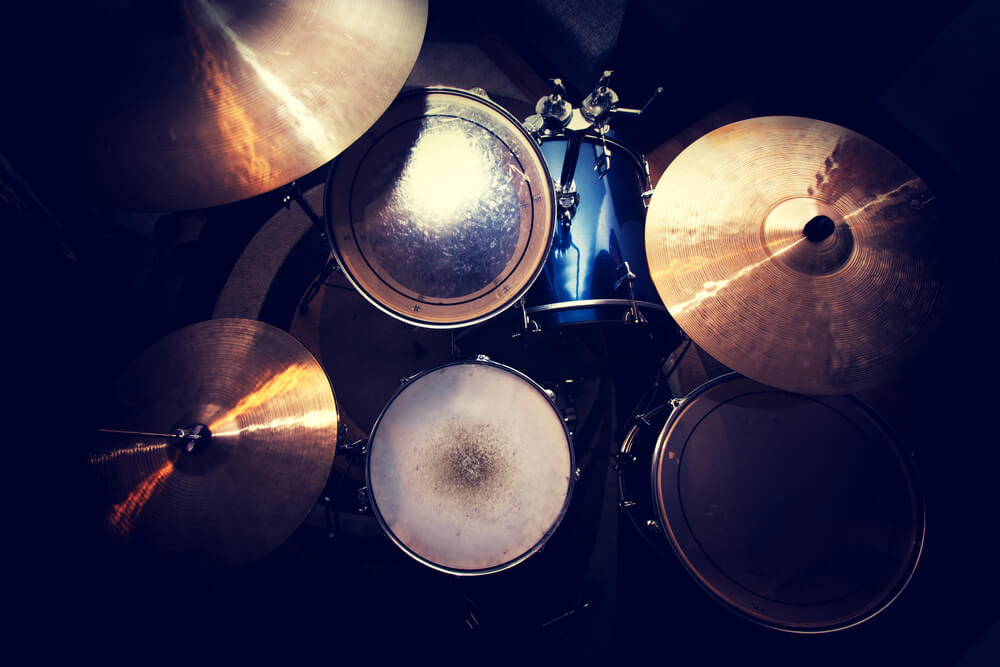
Bębny są podstawowym elementem zestawu perkusyjnego. Mogą to być różne rodzaje bębnów, takie jak werble, tom-tomy, basowe bębny, conga, bongos i wiele innych. Bębny generują różne dźwięki za pomocą pałeczek, młoteczków lub rąk.

Talerze

Talerze perkusyjne, takie jak talerz ride, crash, hi-hat, splash czy china, są wykonane z metalu i wydają dźwięk po uderzeniu w nie pałeczkami lub innymi narzędziami perkusyjnymi.

Triangel

Triangel to metalowy instrument w kształcie trójkąta, który wydaje brzęczący dźwięk po uderzeniu w niego metalowym prętem.

Tamburyn

Tamburyn to instrument składający się z drewnianej lub plastikowej obręczy z zamocowanymi metalowymi czy plastikowymi dźwiękowymi płatami. Może być potrząsany, uderzany ręką lub pałeczką, aby wydawać dźwięki.

Marakasy

Marakasy to mały instrument wypełniony drobnymi przedmiotami, takimi jak nasiona, kamyki lub metalowe kuleczki. Generuje dźwięk przez potrząsanie.

Djembe

Djembe to afrykański bęben ręczny, wykonany z drewnianej bądź metalowej obręczy pokrytej skórą. Dźwięk jest generowany poprzez uderzanie dłonią w skórę.

Cajon

Cajon to prostopadłościanowy instrument perkusyjny, na którym muzyk siedzi. Wyposażony jest w drewnianą skrzynię, na której gracz uderza dłonią, generując różne dźwięki.

To tylko kilka przykładów instrumentów perkusyjnych niemelodycznych. Istnieje wiele innych, takich jak dzwony ręczne, marakasy, kastaniety, dzwonki rurowe i wiele innych, które są używane do tworzenia rytmu i efektów perkusyjnych w muzyce.

Powiązane wpisy

Top 10 polskich wokalistek
Top 10 polskich wokalistek, które zrewolucjonizowały scenę muzyczną
ByKursNaMuzykepaź 11, 2024

Polska scena muzyczna może pochwalić się wieloma utalentowanymi wokalistkami, które nie tylko zachwycają swoimi głosami,…

Jakich instrumentów używa zespół weselny
Jakich instrumentów używa zespół weselny?
ByKursNaMuzykekwi 4, 2024

Każde wesele to wyjątkowe wydarzenie, które na długo pozostaje w pamięci nie tylko pary młodej,…

zarabianie pieniedzy na disco polo
Czy wciąż można zarobić duże pieniądze w Disco Polo?
ByKursNaMuzykelut 1, 2024

Disco Polo, gatunek muzyczny znany przede wszystkim w Polsce, od dziesięcioleci wzbudza wiele kontrowersji i…

muzyka lagodzi obyczaje
Muzyka łagodzi obyczaje – fakt, czy tylko porzekadło?
ByKursNaMuzykelut 1, 2024

Muzyka od wieków towarzyszy ludzkości, wywołując nie tylko emocje, ale także wpływając na nasze zachowanie…

Instrumenty perkusyjne niemelodyczne - kompendium wiedzy | Blog